



Commercial
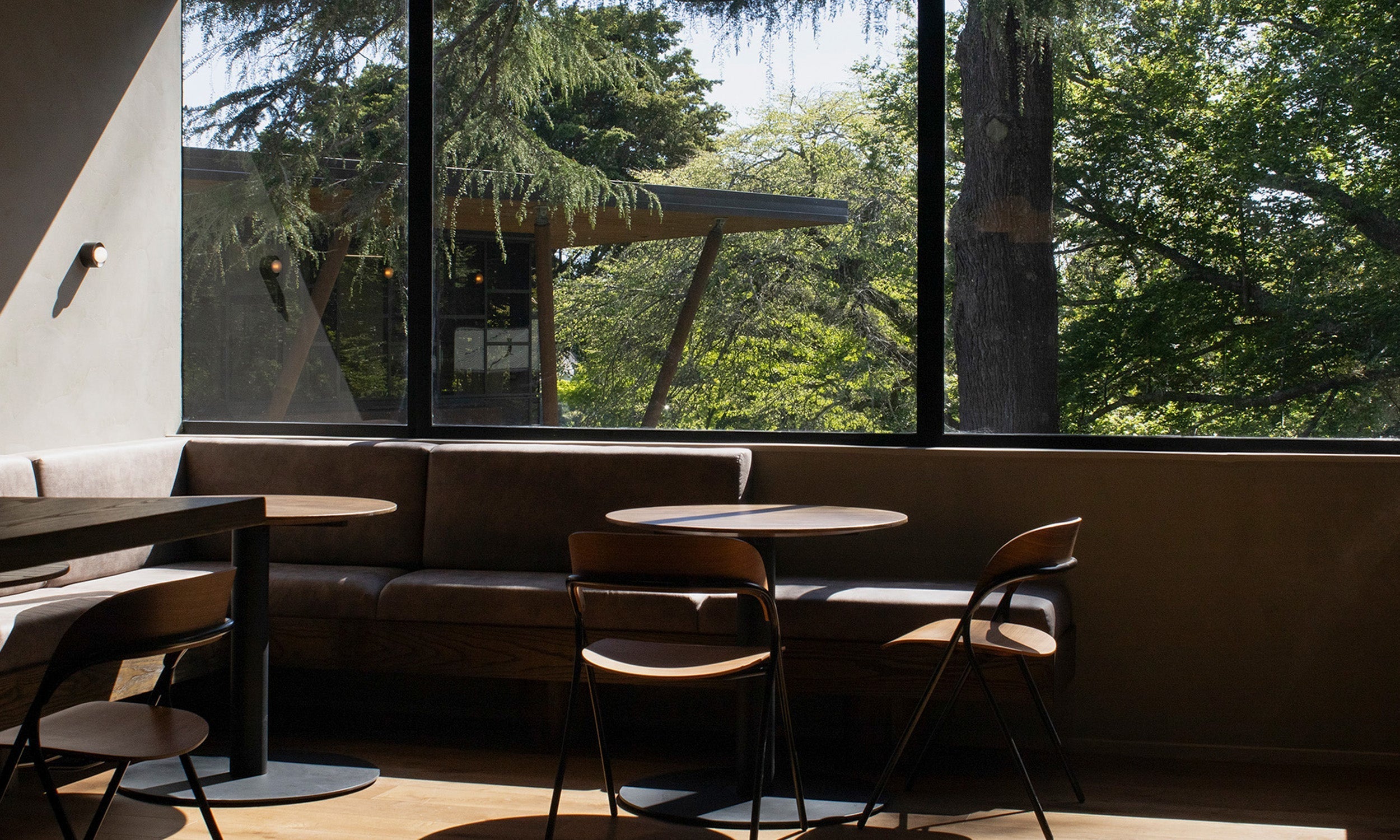

Project Feature of CASA
Renowned for its high-end interior design and commercial construction, CASA transforms new and heritage spaces into striking, innovative environments. At Città, CASA helped bring our Grey Lynn flagship store to life—thoughtfully sourcing stone and timber to craft bespoke point-of-sale displays and showcases throughout the store. Recently, it was CASA’s turn to shift the focus onto itself. The team designed their office and social space within a historic Parnell building, blending contemporary design with the building’s rich character. We spoke with CASA Business Development Manager Ryan Flaxman to learn more about the project. Can you tell us about the building itself—its history, character, and unique features? The Faraday Street office sits within a beautiful old warehouse in Parnell—a building layered with stories. It began life as a textiles mill room and, more recently, was home to Red Rabbit Coffee Roastery & Café. You can still feel that energy in the bones of the space—the patina of years, the softness of the brick, the imperfections that give it warmth. When we found it, we were struck by how much of the building’s history was still visible. Our approach was to tread lightly—to keep the scars, the slumped brickwork, and the uneven lines intact, and to gently coax it into its next era rather than overwrite it. The result is a space that carries forward its industrial past while offering something quietly refined and contemporary. What was the design brief for the project? CASA has grown rapidly over the past few years, and we needed a home that could keep pace with that—a space that would propel our team forward, showcase our craft, and set the tone for the work we deliver. The brief was about making the most of the existing warehouse, using its raw character as a foundation for something deeply personal and deliberate. We divided the plan into two halves: a private rear zone for our project managers and quantity surveyors to focus, and a front half designed for connection, hospitality, and energy. Ultimately, we wanted to create a space that steadies the rhythm of a busy construction practice, balancing intensity with ease—a home base that feels both considered and alive. What materials, textures, or design references shaped your approach? Our approach was shaped by a rich, moody palette and a commitment to materials with soul—guided by Buster from Wonder Group, who led the design. Together, we leaned into finishes that feel honest, time-worn, and crafted, resisting anything too off-the-shelf. The salvaged timber flooring—pitted with old nail holes and marks from its previous life—gives the office a grounded, time-worn character. Shoji-inspired rice-paper screens bring order and rhythm to the space, helping to define thresholds while diffusing light softly through the plan. Deep umber timbers and pale travertine act as contrasting notes, catching light and keeping the environment warm and human. Our influences ranged from Japanese order and Nordic restraint to European coastal understatement, but always filtered through an Aotearoa lens. We worked with local materials and craftspeople wherever possible—Oamaru stone steps, native timber flooring, and New Zealand wool acoustic treatments—to ground the space in our place. How do you see the space being used? We designed the office to hold both focus and festivity—a place where work and life can coexist seamlessly. The rear half is quiet and purposeful, connected softly to a courtyard that offers space for a reset during the day. The front half, known as CASABELLA, flips the energy entirely. It’s an open, generous event space designed for long lunches, client gatherings, late-night celebrations, and everything in between. It’s a setting that embodies our culture—work hard, play hard, but always with intention. CASABELLA allows us to host our community, celebrate milestones, and keep creativity and connection at the core of how we operate. How did Città’s furniture support or enhance your vision for the space? Città’s furniture played a key role in strengthening the narrative we wanted to express through CASABELLA and the wider Faraday Street office. For us, the project was always about crafting an environment that feels distinctly CASA—grounded, thoughtful, and quietly confident. Città’s pieces helped us articulate that story with more clarity and intention. Their furniture brings a sense of warm modernity that complements the rawness of the warehouse and the handcrafted elements woven throughout the fit-out. The materiality, proportions, and tactile qualities of their pieces align with our commitment to honest craftsmanship and considered detail, reinforcing the balance between intensity and ease that defines the space. In the end, their furniture feels seamlessly integrated into the architecture, helping us build a cohesive narrative that speaks to who we are as a practice and the kind of work we strive to deliver. Featured products: Trace Stool, Point Floor Lamp, Column Coffee Table, Radial Round Dining Table, Bough Dining Chair. Interior design: Wonder Group Photographer: Jono Parker Location: CASA, 7 Faraday Street, Parnell, Auckland. CASABELLA is available to hire as a private venue—ideal for intimate celebrations, product launches, and bespoke events. Visit their website to learn more.
Learn more
Project Feature of Gather Eatery
After more than two decades of bringing Aucklanders vibrant, fresh food, the team behind Ripe Deli is at it again. This time, they’ve introduced a dine-in eatery to a light-filled space at Smales Farm. The vision? Gather Eatery leans into the joy of dining in—slowing down to connect with others and savouring great food and drink. The interior is the vision of Jonathan Goss (of Ellegard-Goss Studio) and Ripe’s creative director, Amy Melchior. We spoke to Jonathan to learn more about the project. Can you tell us about the building itself—its history, character, unique features? The building was conceived as a natural extension of the vibrant Goodside Precinct at Smales Farm, purpose-built to embody the vision of the Ripe team. Its striking glasshouse form is anchored by recycled French brick and expansive glazing, framed in a distinctive scoria red to create a bold yet welcoming presence. Flooded with natural light, the interior feels open, uplifting, and connected to its surroundings. Extending from the structure, a timber arbour defines the all-weather outdoor dining area, offering shelter, texture, and a sense of continuity between indoors and out. The result is a venue that feels both dramatic and inviting—a true gathering place at the heart of the precinct. What was the design brief for the project? The brief was to create a warm, welcoming space that feels like a second home—where family, friends, and community naturally gather around exceptional food and drink in a relaxed, unpretentious atmosphere. Gather Eatery is envisioned as a community hub: a place for connection, conversation, and lingering, where memories are made and relationships strengthened. The culinary approach is simple yet refined: great food, coffee, and wine, served with genuine hospitality. The space should feel beautiful, relaxed, and reliable—offering consistently excellent service and cuisine, supported by warm, kind staff. A trusted venue for everyday dining, private functions, and long-table gatherings, Gather is a place people return to because it feels like home. What materials, textures, or design references shaped your approach? The interior takes its cue from a modern Scandi barn aesthetic, softened with warmth and texture, and balanced by an edge of industrial character. Core materials—blued steel plate, antique oak floorboards, and natural timber—establish a grounded, timeless foundation. French-washed walls add depth and tactility, while jewel-like mānuka-glazed tiles draw customers to the heart of the restaurant. Earthy terracotta tones are paired with vintage green velvet banquette seating, creating a rich, welcoming contrast. Crisp, contemporary furniture completes the palette, striking a balance between rustic familiarity and modern refinement. The result is a space that feels both honest and elevated—crafted to be as comfortable and enduring as it is beautiful. How did Città’s furniture support or enhance your vision for the space? The Radial range brings a quiet elegance to the space, its clean lines and timeless form offering modern refinement against the warmth of rustic materials. More than furniture, it provides a design language—one that is cohesive yet flexible, with chairs, tall stools, and low stools available in both upholstered and unupholstered finishes. This versatility allows the pieces to adapt effortlessly, creating a sense of continuity throughout. Gather Eatery is an exciting new venture from the team behind Auckland’s iconic Ripe Deli. How does Gather differ from Ripe? Gemma Heffernan of Gather Eatery: After 24 years of bringing vibrant, fresh food to Aucklanders, the team behind Ripe Deli is excited to be doing something a little different. Gather marks a new chapter—a sit-down eatery that leans into slower moments. We’re proud to be launching this new concept as part of the Ripe group, adding to our family of four delis and stepping into a new style of dining. Our goal is to create a beautiful, welcoming space where everyone feels catered for and where both the food and atmosphere reflect the very best of what we love about this industry. Gather is really about taking a moment from your day and giving yourself time to enjoy the simple pleasures. And yes, dogs are welcome, too. Featured products: Radial Stool Low w/ Leather Seat, Radial Stool w/ Leather Seat, Radial Dining Chair w/ Leather Seat, Holi Stool High Photographer: Jono Parker Architect: Ellegard-Goss - Linkedin | Instagram Location: Gather Eatery Smales Farm, 78-94 Taharoto Road, Takapuna, Auckland Open seven days a week for breakfast and lunch, Gather is also fully licensed and available for private bookings and events. Visit their website to learn more.
Learn more
Get to Know Beks Sorrell, our Commercial Account Manager
Go behind the scenes at Città Commercial. Beks recently joined the Città team, stepping into the role of Commercial Account Manager at our Mt Eden showroom.
Learn more
Project Feature of Dorrington Atcheson Architects’ Kingfisher
Dorrington Atcheson Architects (DAA) recently completed their ‘Kingfisher’ project, overlooking the tranquil upper inlet of the Waitematā Harbour. The attentively designed home embraces its unique site with uninterrupted views of the sea and bush-like surrounds.
Learn more
Project Feature of I Love Ugly, Newmarket
Our Radial furniture collection looks right at home in I Love Ugly’s Newmarket store. The Radial bench provides a casual seating option with the dark oak finish adding to the store’s sophisticated, moody fit-out.
Learn more
Project Feature of 186 Specialty Drinks Bar
Brothers Charles and Patrick Williams are no strangers to Auckland’s vibrant hospitality scene. As the masterminds behind the famed Williams Eatery, the duo expanded their horizons to 186 Specialty Drinks Bar in late 2022.
Learn more
Project Feature of Alex Wang
The outdated preconceptions of a workspace are turned on its head in the completion of Alex Wang’s financial advisory practice. The boutique firm puts relationships and hospitality at the forefront of its business ethos—and this is reflected in the design and fit-out of the luxury new office.
Learn more
Project Feature of Icehouse Ventures
Nestled in the leafy suburb of Parnell, the historic Textile Centre was once a wool store for the New Zealand Shipping Co. Today, this iconic building houses a cluster of innovative businesses, including venture capital firm, Icehouse Ventures.
Learn more
Project Feature of Williams Eatery
We are proud to have a long-standing relationship with Auckland’s ever-popular Williams Eatery. Located in the heart of Wynyard Quarter, the family-owned and operated eatery is praised for serving thoughtful dishes within its beautiful setting. At the helm of the eatery, you’ll find innovative hospitality brothers, Charles and Patrick Williams. When the eatery opened in 2018, their vision was to create a space where people could relax and connect. They wanted the eatery to have a pared-back yet warm aesthetic, creating an oasis from the hustle and bustle of modern life. To achieve this, they drew design inspiration from Japan and Denmark, as well as New Zealand eateries they admire, such as Britomart’s Amano and Loretta in Wellington. Values of simplicity are complemented with considered products from New Zealand designers. Hand-blown glass pendants from Monmouth Studio light the space from above and dishes are plated on handcrafted ceramics from Fiona Mackay and Hayley Bridgford. A welcoming aesthetic is further achieved with warm oak seating from Città’s Radial furniture range. The chair is BIFMA-tested to ensure longevity from high traffic-use. Over the years, Williams Eatery has continued to evolve. In recent times, they’ve launched a retail space with curated ceramics and grocery items. Their ethos sees them aligning with local artists and like-minded brands, such as Coffee Supreme and Città. We look forward to continuing to work alongside Charles and Patrick and supporting their hospitality ventures. Photographer: Chris Antonio (Città) & supplied. Interiors: Williams Eatery is housed in a ground-floor hospitality space of Wynyard Central (completed in 2018 by Architectus). The eatery’s fit-out was originally designed by Millé. Location: Williams Eatery, G03/85 Daldy Street, Wynyard Quarter, Auckland. Clients: Charles and Patrick Williams (brothers) Design brief: The Williams brothers had a vision of creating a minimalist space that served as a place of respite from the busy world. Get in touch with Città to learn how we can help change your space or bring an upcoming project to life.
Learn more